
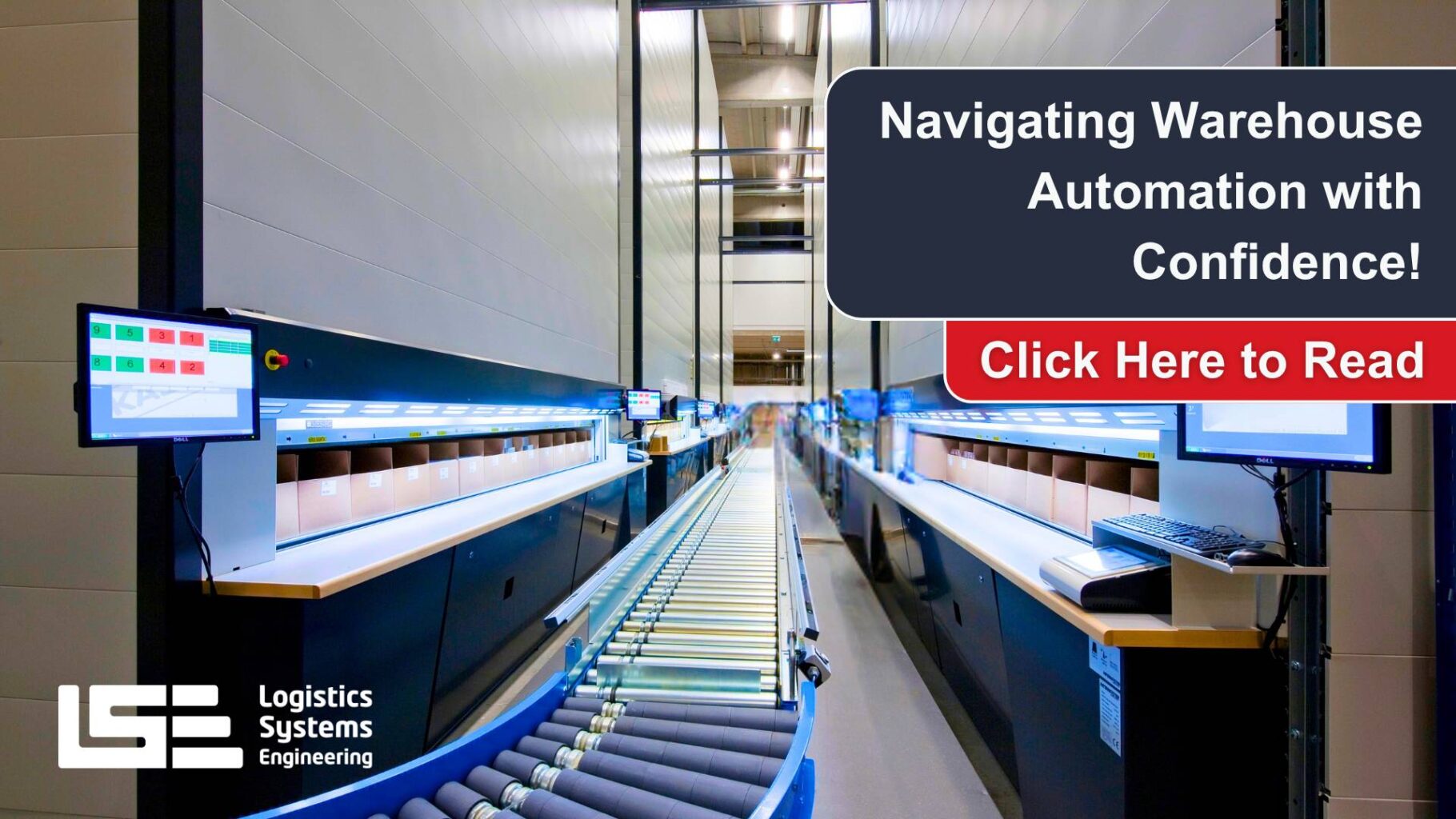
From Complexity to Clarity: Navigating Warehouse Automation with Confidence!
Warehouse Automation is Transforming Supply Chain Management by Enhancing Efficiency, Accuracy, and Scalability. However, Implementing Automation can be Complex, requiring Careful Planning and Execution. This LSE Article Outlines Key Strategies to Successfully Navigate Warehouse Automation.
1. Conduct a Comprehensive Warehouse Assessment
Begin by Thoroughly Analysing your Current Warehouse Operations to Identify Areas that could Benefit from Automation. Assess Processes, Workflows, and Technologies to Determine Specific Systems and Processes that need Automation.
2. Define Clear Objectives and Key Performance Indicators (KPIs)
Establish Specific Goals for Warehouse Automation and set KPIs to Measure Success. Clear Objectives Guide the Selection of Appropriate Technologies and Ensure Alignment with Overall Business Strategies.
3. Choose the Right Automation Technologies
Select Automation Solutions Tailored to your Warehouse’s Unique Needs. Options include Automated Storage and Retrieval Systems (AS/RS), Conveyor Systems, and Robotics. For instance, Logistics Systems Engineering (LSE) Specialises in Developing Customised Automation Solutions to Enhance Productivity.
4. Develop a Phased Implementation Plan
Implement Automation in Stages to Manage Costs and Minimise Disruptions. A Gradual Integration allows for Performance Improvements and ensures Scalability. This approach enables Investments and Modernisation of Processes Step by Step.
5. Invest in Employee Training and Change Management
Equip your Workforce with the Necessary Skills to Operate and Maintain New Technologies. Comprehensive Training Programs and Change Management Strategies are Crucial for a Smooth Transition and to Maximise the Benefits of Automation.
6. Monitor Performance and Continuously Optimise
Regularly Track the Performance of Automated Systems using Established KPIs. Continuous Monitoring and Optimisation help in Adapting to Changing Demands and Maintaining Optimal Efficiency. Utilising Data Analysis and Innovative Software can Aid in Capturing Real-Time Data for Informed Decision-Making.
Conclusion
Successfully Navigating the Complexities of Warehouse Automation Requires a Strategic Approach Encompassing Thorough Assessment, Clear Goal Setting, Careful Technology Selection, Phased Implementation, Employee Training, and Continuous Optimisation. By following these Strategies, Businesses can Effectively Leverage Automation to Enhance their Warehouse Operations.
At Logistics Systems Engineering (LSE), we Specialise in Designing and Implementing Customised Warehouse Automation Solutions. Our Expertise ensures a Seamless Transition to Automated Systems, Tailored to your Specific Operational Needs.
